
Why Recycling Programs Fail at the Point of Disposal
Learn how unclear rules, inconvenient layouts, and poor feedback drive recycling contamination—and how better disposal environments can improve sorting.
The Real Problem Happens at the Bin
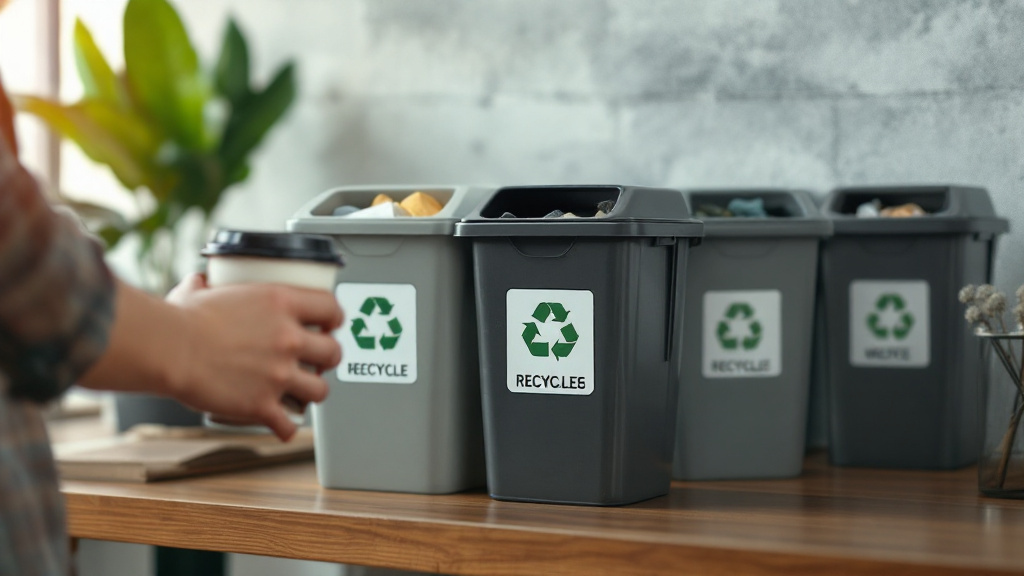
Recycling programs rarely fail because people reject sustainability. More often, they fail in the few seconds when someone is holding an item and deciding where it belongs. A coffee cup, food container, or plastic package may look recyclable, yet local rules can depend on material, residue, size, or collection infrastructure. When instructions are unclear, people guess. That guess may send compostables into recycling, recyclable materials into general waste, or contaminated items into an otherwise usable stream.
The disposal environment often makes that decision harder. Bins may be placed far from one another, labeled with inconsistent terms, or hidden behind narrow openings that do not clearly match their contents. Small signs compete with busy surroundings, while generic recycling symbols create false confidence. These barriers expose a central lesson in waste sorting and behavior change: good intentions are not enough when the correct action is inconvenient or uncertain. Recycling contamination is therefore less a character problem than a design problem—one that households and facility managers can solve by making the right choice visible, simple, and immediate.
Design Disposal Around Real-World Behavior
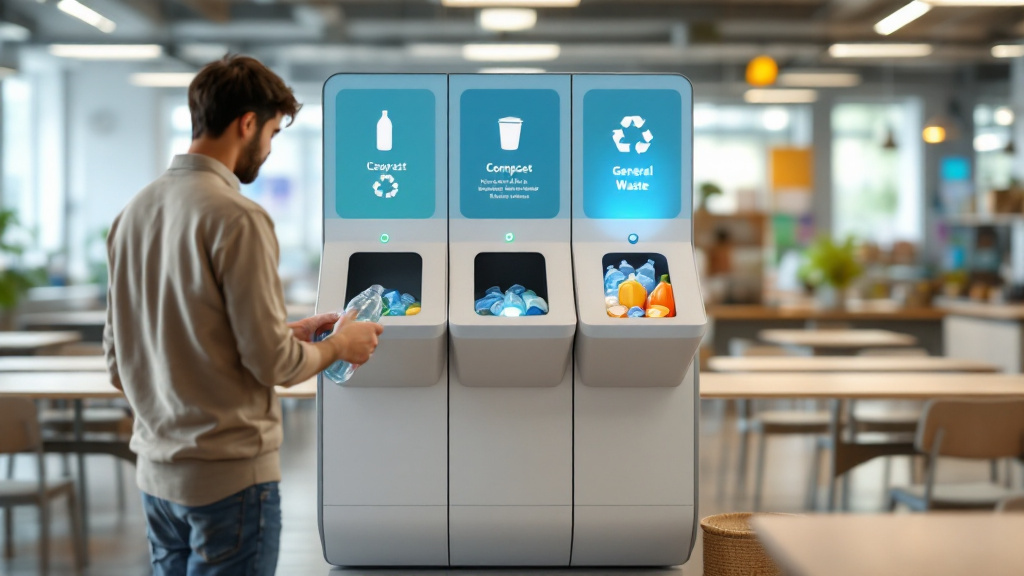
Effective behavior change begins with observing what people actually do, not what a recycling guide assumes they will do. Place waste, recycling, and compost compartments together at the point of use, such as beside printers, kitchen counters, dining areas, and classroom exits. Use consistent colors, simple words, and large images of common local items. Openings should be distinct enough to guide a decision without requiring users to read a long explanation. Removing unnecessary bins can also reduce “wish-cycling,” the habit of placing questionable items in recycling because it feels like the more responsible option.
Facilities should test these changes with real users and measure contamination, overflow, and missed collections over time. A sensor-equipped container such as Sortiva Systems can add immediate guidance: camera-based AI recognizes common bottles, cans, paper, food scraps, or unknown objects, then lights or a screen recommends the appropriate compartment. Sensors can confirm a deposit and estimate fill levels, weight, and odor conditions. This turns the bin from a passive container into an active tool for waste sorting and operational visibility.
Make Better Sorting a Measurable System
Redesigning the point of disposal is most effective when it is supported by consistent operations. Households can begin with one clearly organized station, a short list of accepted materials, and regular checks for contamination and odors. Offices, restaurants, schools, and small facilities can map high-use areas, standardize signage, train cleaning teams, and review which items are repeatedly misplaced. Feedback should be timely and practical rather than punitive—for example, updating a sign after observing frequent food residue in a recycling compartment.
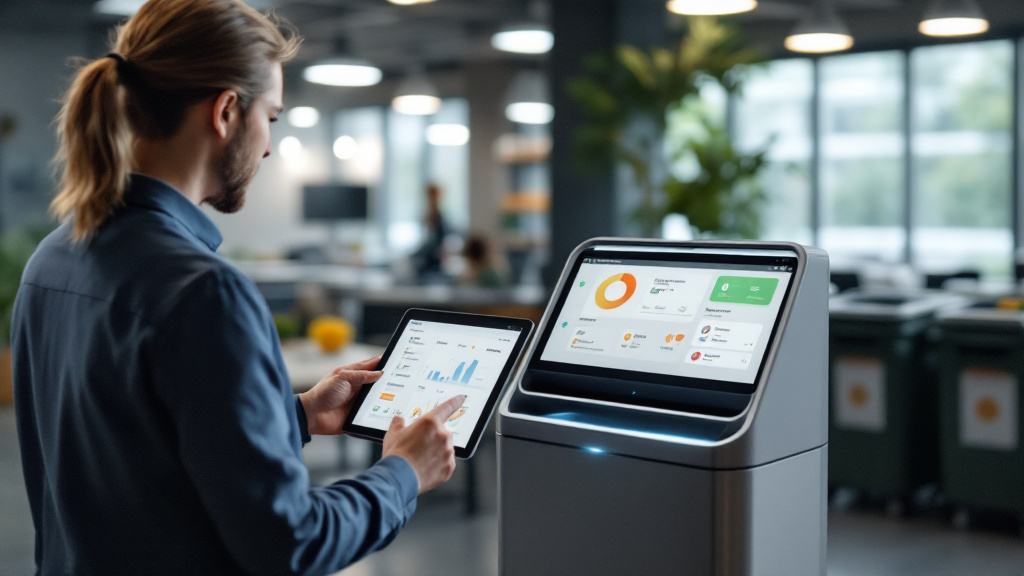
Remote monitoring helps connect everyday behavior to collection workflows. Sortiva Systems can update compartment fill estimates, identify capacity trends, and alert a facilities manager before overflow or unpleasant conditions become a service problem. Dashboard data can help coordinate janitorial rounds, email alerts, waste-hauler schedules, and multi-bin management. The goal is not to make every user an expert in local waste policy. It is to create a disposal environment that makes the preferred action obvious, confirms it when possible, and gives operators the visibility to maintain it. When infrastructure, information, and workflow align, recycling contamination falls—and sustainability becomes easier to practice every day.